Start with the moment
What is someone trying to do? We work out the smallest useful version, whether that means preparing a bill, handing a browser an errand, or finding a path through traffic.
Make useful things, and enjoy making them.
An app starts with a job someone wants to do. A game starts with a moment that feels good to play. We work through the interface, the code, and the artwork until those ideas become something you can use.
Follow the process ↓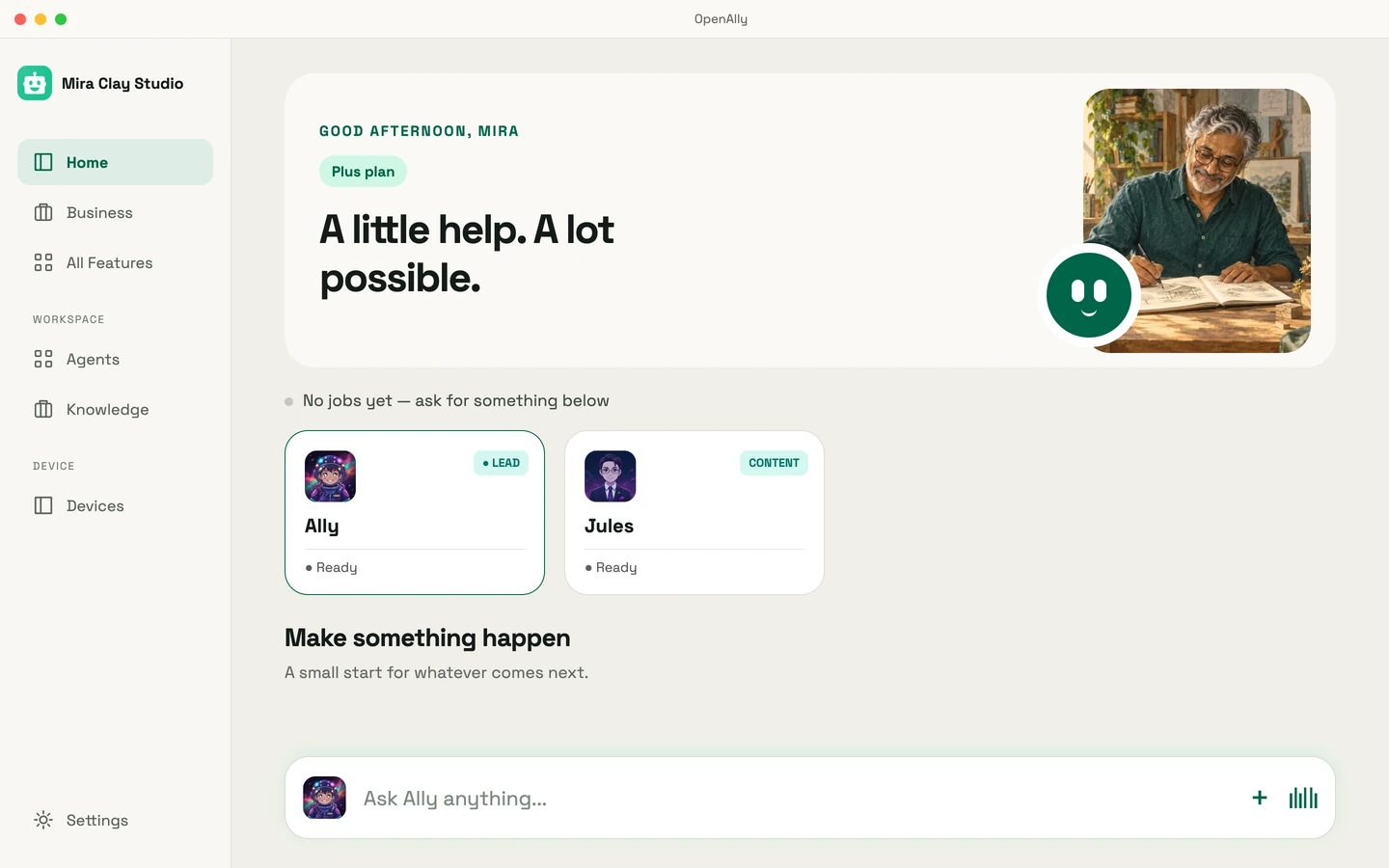

The work moves between a sketch, a running build, and the device it is made for.
What is someone trying to do? We work out the smallest useful version, whether that means preparing a bill, handing a browser an errand, or finding a path through traffic.
The screen, the input, and the setting shape the design. A phone game must read in portrait. A Mac effect follows a real lid. An assistant needs visible controls for its actions.
We test the running product, look at what gets in the way, and revise it. The interface, artwork, sound, and performance belong to the same piece of work.
We work across the whole product, from the first interface and underlying code to the artwork, sound, and release. That gives us room to follow an idea into the details: how a tool feels in your hand, how a game reads on a small screen, or how a desktop responds when you open its lid.
In OpenAlly™ and TaffyGo, you choose the AI provider. Aster asks you to approve server-paired device connections. UnfoldMyMac leaves its optional data connections off until you enable them. We want control to be part of using the product.
A browser assistant belongs beside the page you are reading. A phone strategy game needs a battlefield you can read in portrait. A live wallpaper should respect reduced motion. Design decisions start with the person using them.
We publish the source for projects including Aster, TaffyGo, UnfoldMyMac, and OpenForge. Each repository includes its own license and instructions, so people can understand how it works and build on it.
Interfaces, original game art, and the details behind the products.

Game art
Interface design
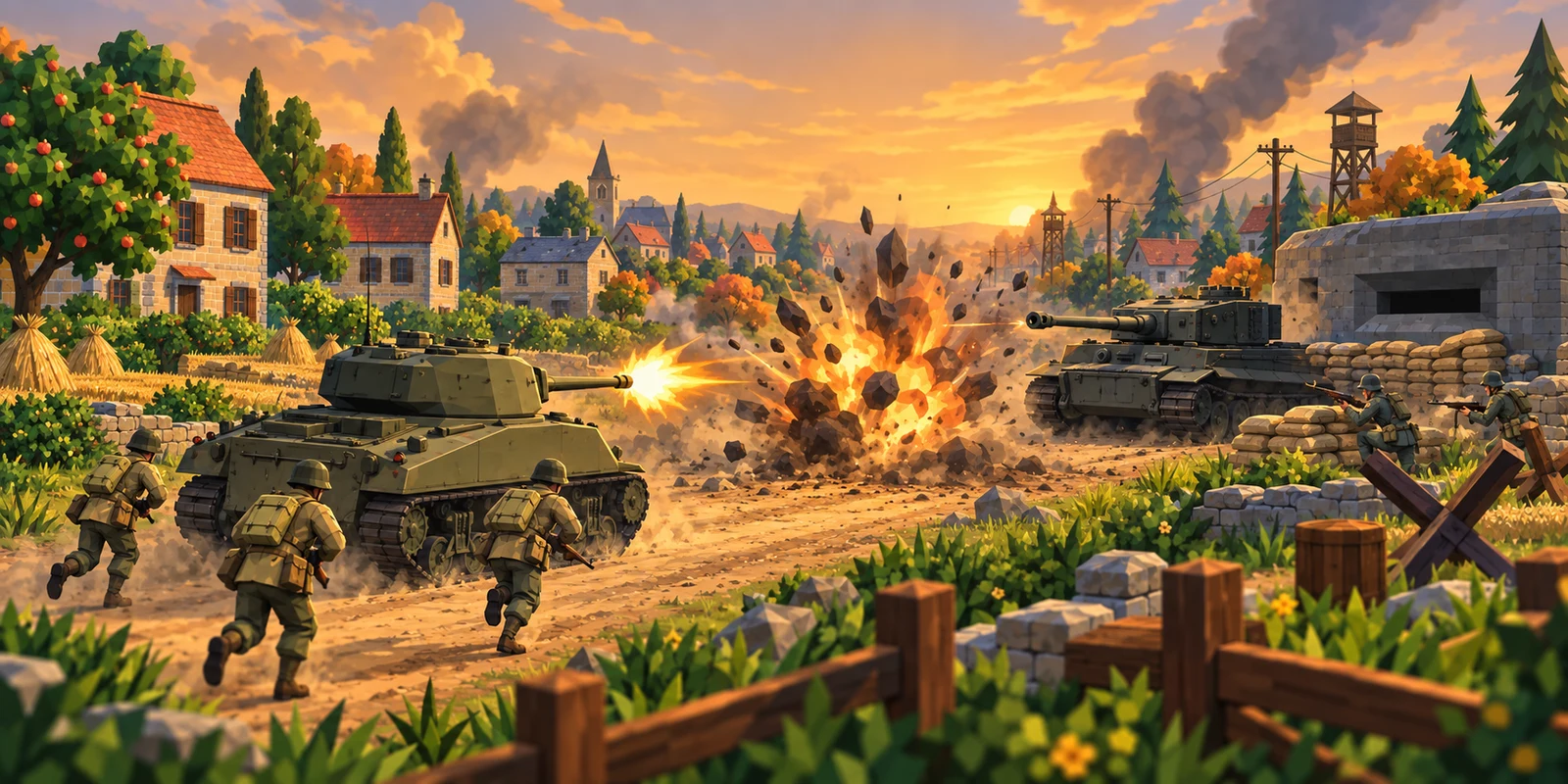
Low-poly environments
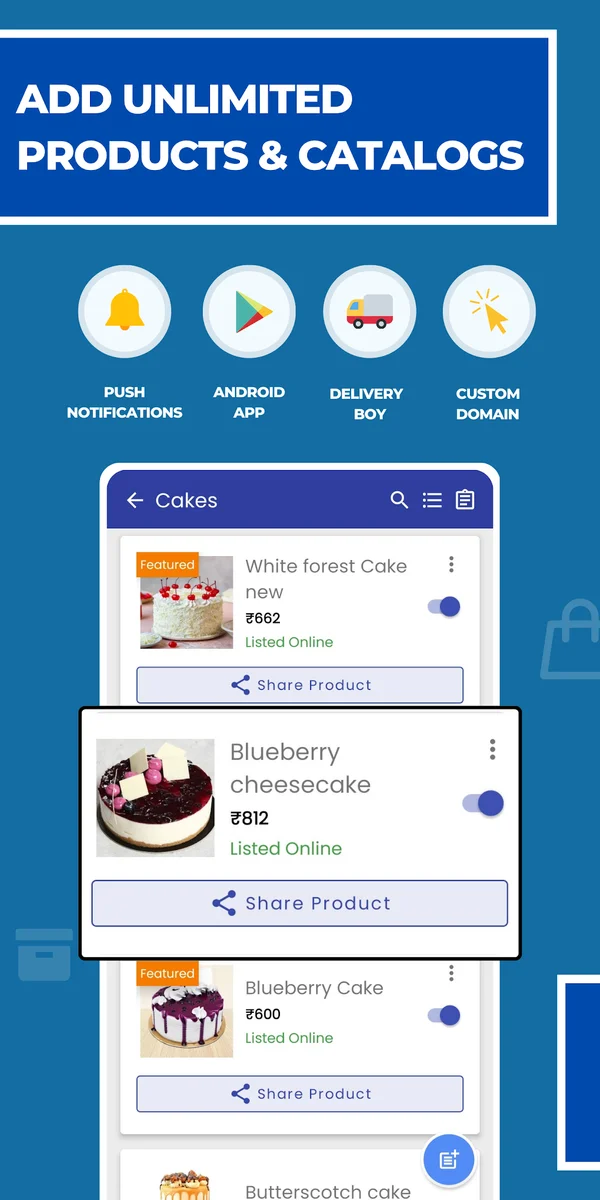
Archive · ZyadaShop
Low-poly vehicle design
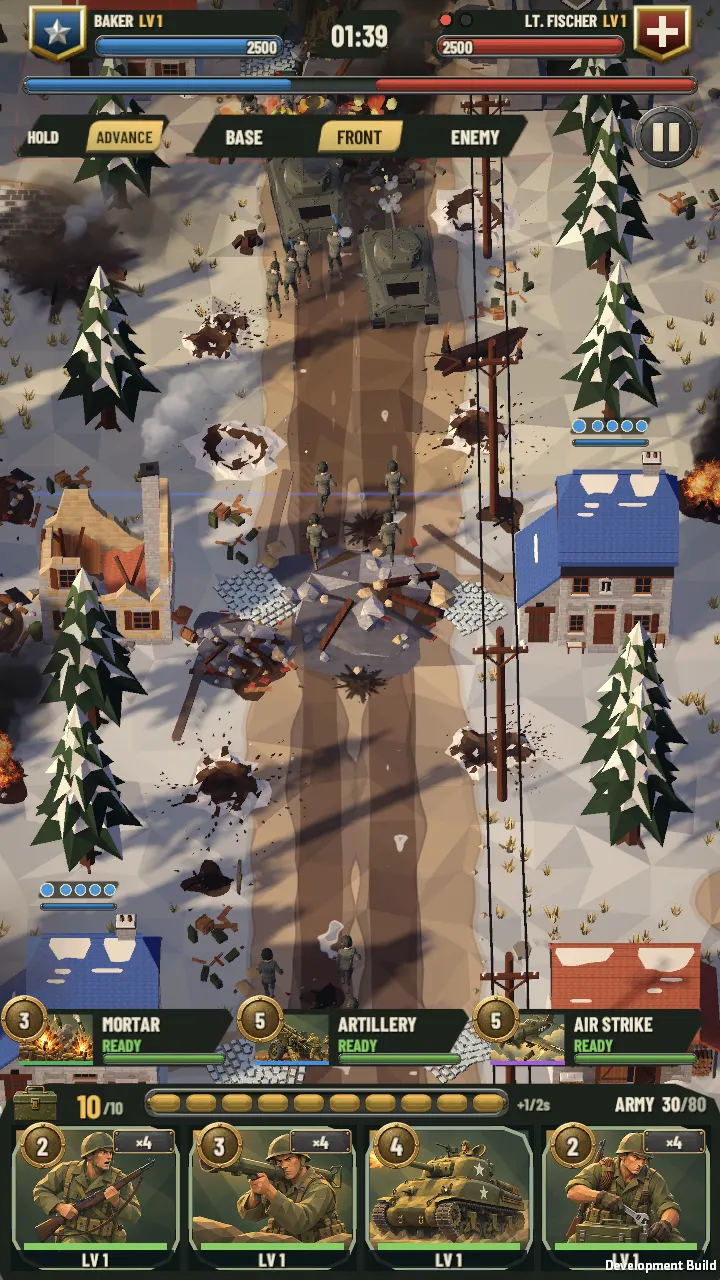
Game capture
Native desktop scenes from UnfoldMyMac: a racing wallpaper and a city shaped by public GitHub activity.
A red open-wheel car sits above a circuit that flows around the desktop. Start lights and wallpaper-session counters complete the scene. The numbers are decorative session data, not a live race feed.
An illuminated green city turns above a dark desktop. Repository, follower, and activity panels sit beside the floating buildings. This recording demonstrates how a public GitHub account can shape a wallpaper.